Bathroom Fittings Shop in Ahmedabad: Plan Purchases Around Your Plumbing and Daily Routine
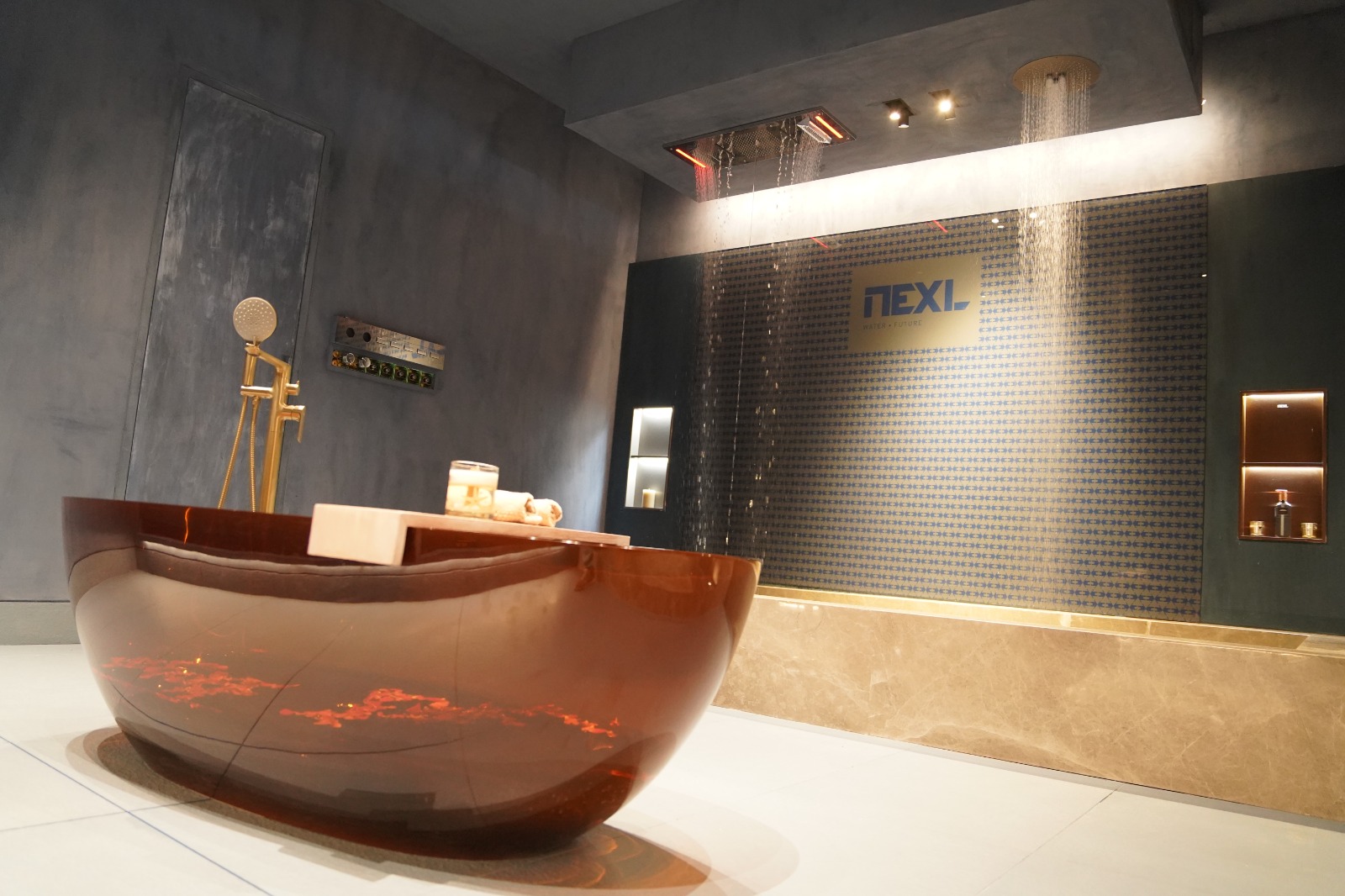
A bathroom may appear perfectly arranged on display but become less practical after the fittings are installed in your home. A poorly positioned basin tap can restrict washing space, shower controls may be difficult to reach, and a cabinet door might collide with the toilet. Many of these issues begin when people purchase separate fixtures without assessing how the complete arrangement will work. Effective bathroom planning begins by considering the layout, water connections and daily habits of the household.
When homeowners assess a bathroom fittings shop in Ahmedabad, it helps to organise purchases around the room's actual needs. Alongside attractive designs, buyers should consider product dimensions, water connections, cleaning requirements and repair access. Regardless of whether the project involves a few worn fittings or a full refurbishment, understanding how these factors connect supports more informed choices. The priority should be lasting convenience rather than focusing entirely on the initial appearance of newly installed products.
Identify the Improvements Your Bathroom Requires
Rather than immediately browsing products, first establish what is not working well in the existing bathroom. Common frustrations include limited basin space during busy mornings, inconvenient temperature adjustments and poorly positioned towel storage. Each replacement should ideally respond to an identifiable problem rather than serving as a purely decorative change. Otherwise, it becomes possible to invest heavily in attractive upgrades without fixing the inconveniences that prompted the renovation.
Consider who regularly uses the bathroom and whether their requirements are different. Bathrooms used by the whole family may work better with uncomplicated controls, convenient storage and manageable cleaning requirements. A compact guest bathroom, meanwhile, may require space-saving fittings that allow comfortable movement. Certain lever designs can be more manageable than small knobs for someone who has limited strength in their hands. Recording these needs helps you compare products according to everyday convenience rather than appearance alone.
Measure the Bathroom Before Selecting Fittings
Measuring a bathroom involves more than recording its basic length and width. Make a note of where doors are located and how they open, together with window heights, existing pipe connections and wall projections. Measure usable space beside the washbasin as well as the room available around the toilet. An attractive fixture can quickly become inconvenient if it restricts the space required for standing, bending or moving comfortably between fittings.
Photographs and a straightforward sketch showing measurements can make conversations at a bathroom fittings shop in Ahmedabad much more useful. Your records should identify the basin already installed, accessible pipe connections and areas involved in the intended work. Where pipes are concealed, ask the installer to establish the existing arrangement instead of assuming new fittings will be compatible. Measurements also need on-site verification before products are ordered, particularly when cabinets, shower screens or wall-mounted fixtures allow minimal adjustment.
Separate Simple Replacements from Plumbing Changes
A direct replacement of an exposed tap is generally a different type of job from moving a basin mixer to a wall-mounted arrangement. Such a conversion can require plumbing adjustments, wall repairs and careful planning around the finished surface. Changes to toilet configurations and concealed shower systems may also involve work extending well beyond the visible fixtures. Identifying the necessary work in advance helps prevent small replacement plans from turning into unexpected refurbishment projects.
For a modest bathroom refresh, first establish which existing plumbing connections can be retained. For a complete refurbishment, agree on fixture locations before plumbing installation and wall finishing are completed. Hidden installation parts should match their visible operating controls, and their depth must take the finished wall into account. Verify the full fitting arrangement before committing to separate product purchases. Extra care is needed when mixing components from separate ranges or retaining portions of the current installation.
Choose a Basin and Tap That Work Together
The washbasin and tap need to function as a coordinated pair, with their sizing influencing everyday washing comfort. Relevant measurements include spout elevation, projection and the precise position of the water outlet. Splashing can become more noticeable with tall taps and shallow basins, while limited spout reach may reduce comfortable washing space. Everyday performance also depends on the point where the flowing water meets the inside of the basin.
Check if the washbasin has its own tap opening, needs a hole cut into the counter or is intended for a wall-mounted tap. Countertop thickness and the available fixing area can also affect how the product is installed. The basin's overflow configuration should be checked for compatibility with its intended waste outlet. When a basin is positioned over a cabinet, provide sufficient space for its trap and internal pipework. What appears to be a generous drawer can lose useful capacity when waste pipes and fittings take up the available space.
Check Water Supply Requirements Before Selecting Shower Fittings
A bigger shower outlet is not automatically more satisfying in everyday use. How well a shower operates is determined by its specifications and the home's existing water supply. Water pressure and flow rate are related, but they are separate factors that may both require assessment. An impressive showroom demonstration may not reflect how the fitting performs with your home's plumbing, particularly when several outlets run simultaneously.
Have your installer check the proposed shower arrangement against the property's hot-water system. The water requirements of a handheld attachment, overhead shower and body outlets are not necessarily identical. Make sure the control arrangement permits the shower functions and outlet combinations you have planned. Controls designed to regulate water temperature also depend on appropriate operating requirements and plumbing compatibility. Prioritise a shower configuration that suits the available supply rather than installing additional outlets simply to fill the space.
Arrange the Shower Area for Access, Movement and Cleaning
A practical shower space needs sufficient clearance for comfortable movement, reachable controls and routine maintenance. Think about the steps involved in entering the shower, changing position and accessing washing products. Limited enclosures may become awkward when handles extend into the space, shelves interfere with movement or glass doors swing inward. The shower outlet's position should also be considered in relation to the entrance and the method used to keep water within the designated area.
A handheld shower can assist with rinsing enclosure surfaces and accommodate different bathing habits, provided its hose and holder are positioned sensibly. Shelves should remain easy to reach without getting in the way of movement. Before confirming the enclosure design, ask the installer to examine wall alignment, completed dimensions and the drainage setup. An enclosure cannot make up for incorrect floor gradients or unreliable waterproofing work. Such underlying issues require attention before the work is covered and access becomes difficult.
Select Bathroom Finishes That Suit Your Maintenance Habits
Colour and surface texture influence how bathroom fittings complement tiles, mirrors and cabinets, but cleaning needs should also guide your selection. Different finishes reveal fingerprints, water deposits and cleaning residue differently, particularly across polished, textured and darker surfaces. These effects also vary with water quality, room lighting and the frequency of wiping. No decorative finish should be expected to stay completely spotless without maintenance.
When looking at product samples, enquire about the maker's cleaning guidance and restrictions on strong cleaners or abrasive tools. Certain decorative finishes need cleaning methods that differ from those appropriate for tiles and ceramic surfaces. Where the current bathroom regularly develops mineral marks, consider the water conditions when deciding on surface finishes. Where practical, compare the proposed colour combination under lighting similar to that in your home. Descriptions such as brushed gold and matt black do not necessarily mean different manufacturers produce identical shades.
Position Bathroom Accessories for Everyday Convenience
Bathroom accessories are frequently purchased after the larger fittings, although their placement can make a substantial difference to usability. The most practical towel rail location allows convenient access immediately after washing or bathing. Soap dispensers should be within reach without making the washbasin area unnecessarily cluttered. Plan storage around everyday possessions such as taller bottles, cleaning materials and extra toiletries.
Accessory positions should be settled before drilling into walls that may contain concealed pipework or shower waterproofing. Certain accessories and fixing locations require suitable backing or an appropriate installation technique. Where a support rail is required, select a fitting intended for that purpose and ensure its installation is properly assessed. A regular towel rail must not be treated as equipment intended to support a person's weight. Before fixing mirrors or storage units, consider their relationship to tap dimensions, room lighting and opening doors so that they do not interfere with normal use.
Make Bathroom Fittings Shop Visits More Productive
A search for a bathroom fittings shop near me commonly begins with location, although proximity alone does not determine whether a shop visit will be valuable. A worthwhile visit should help answer outstanding questions about measurements, product operation and compatibility. Share your measurements and make clear if the work is limited to replacing fittings or includes modifying the bathroom arrangement. This makes the discussion more focused than simply selecting products because they look attractive on display.
If display models permit hands-on testing, operate the controls, assess spout proportions and inspect surfaces where cleaning may be necessary. Check the supplied parts carefully rather than assuming that everything needed for installation comes together. One possible example is a shower trim set that needs a separately sold concealed body to function correctly. Check model identification and finish details directly, as photographs may not provide sufficient certainty. Clear written technical details help the installer verify that the selected products match the bathroom's requirements.
Assess Complete Installation Costs and Long-Term Maintenance
A realistic purchasing budget includes not just the visible fittings but also necessary accessories, installation materials and the associated work. Waste outlets, traps, connectors, concealed valve bodies and mounting hardware can all influence the final expense. Extra work involving plumbing changes, surface restoration or shower glass installation can add to the project budget. Comparing Bathroom fittings shop in ahmedabad fully specified installation arrangements provides a more dependable cost picture than looking only at individual tap or shower-head prices.
Think about future maintenance requirements, especially for fixtures installed within walls. Establish the intended servicing access and the availability of relevant spare components. Examine warranty information to understand the conditions, exclusions and responsibilities associated with claims. Organise product codes and proof of purchase in one place for future reference. Although a coordinated bathroom appearance is desirable, being able to maintain frequently used fittings can be equally important throughout their service life.
Manage Bathroom Installation and Completion Checks
Check the availability of all required parts before setting the date for installation work. A missing concealed fitting may hold up plumbing, while a delayed basin could interfere with preparing the countertop. Examine the supplied products for damage and confirm that they correspond to the original order prior to installation. Verify that the delivered finishes are correct and the accompanying components are appropriate for the planned setup.
Provide the installer with the manufacturer's instructions and resolve outstanding questions before walls are cut, holes are drilled or surfaces are closed. Arrange suitable checks of hidden connections before closing the surfaces that provide access to them. Completion checks should cover the operation of all controls, visible connections, drainage performance and the movement of cabinet and shower doors. Wait for the required curing period of sealants and related materials before normal bathroom use begins. Careful completion checks support the transition from a collection of fittings to a space ready for regular daily use.
Conclusion
Selecting bathroom fittings becomes more straightforward when every choice reflects the existing plumbing, available space and daily requirements. First determine what requires improvement, verify the measurements and consider how the complete selection of products will work together. A visit to a bathroom fittings shop in Ahmedabad should help resolve questions about fitting requirements, long-term maintenance and design suitability. By choosing taps, showers, sanitaryware and accessories with practical needs in mind, homeowners can create a bathroom that supports convenient use, manageable cleaning and future upkeep.